



Table of Contents
- What Is a Bonded Warehouse and Why Importers Use Them
- Core Bonded Warehouse Requirements for Importers
- Sufferance Warehouse vs. Bonded Warehouse: Key Differences
- Warehousing Bond Requirements Under the Customs Act
- Duty Deferral Programs and Tax Liability Management
- Recordkeeping, Inventory Management, and Compliance Audits
- Common Compliance Pitfalls and How to Avoid Them
- Bonded Warehouse Operations for E-Commerce and Import Businesses
- Frequently Asked Questions
Last Updated: September 23, 2026
What Is a Bonded Warehouse and Why Importers Use Them
A bonded warehouse is a secure facility licensed by the Canada Border Services Agency (CBSA) where imported goods can be stored, manipulated, and processed without paying customs duties or taxes until released into domestic commerce, and understanding bonded warehouse requirements is essential for importers seeking to defer tax liability and reduce carrying costs. Importers use bonded warehouses to defer tax liability, reduce carrying costs, and maintain flexibility in when goods enter the market.
The core advantage is duty deferral. Move goods directly into bonded storage instead of immediately paying import duties, freeing up working capital. You only pay duties when you release goods for sale or domestic use, not when they land.
Bonded facilities also enable goods manipulation: repackaging, relabeling, blending, or sorting while in bond. This is invaluable for e-commerce brands receiving bulk shipments that need destuffing, quality-checking, and repackaging for Amazon FBA or direct-to-consumer fulfillment. GTC Logistics handles this workflow from container destuffing to inventory management on Oracle NetSuite, moving goods from port to customers without idle time.
Core Bonded Warehouse Requirements for Importers
The CBSA enforces strict standards on facility operators, security, financial accountability, and record-keeping. Understanding these requirements is essential before committing inventory to a facility.
CBSA Licensing and Application Process
Any facility storing dutiable merchandise in bond must hold a valid CBSA bonded warehouse licence, requiring detailed documentation of facility, security measures, and operational procedures.
The CBSA recognizes several warehouse types: general-purpose facilities, specialized warehouses for specific goods, and private warehouses operated by importers. Most third-party logistics providers operate as general bonded warehouses, storing any dutiable merchandise subject to CBSA regulations.
Your application must include a detailed floor plan, evidence of security measures (locks, fencing, lighting, alarm systems), operator and manager contact details, a security bond amount, and standard operating procedures for receiving, storing, and releasing goods.
The CBSA reviews the application, conducts a site inspection, and issues a licence valid for a set period. Renewal requires demonstrating continued compliance. GTC Logistics' 30,000 square foot facility in Saint-Laurent is fully licensed and regularly audited.
Security Bond and Financial Requirements
The CBSA requires bonded warehouse operators to post a security bond, a financial guarantee covering potential duty liabilities, penalties for violations, and losses or damages to goods in storage.
The security bond amount is calculated based on maximum inventory value. If there's a violation, missed duties, improper record-keeping, or unauthorized release of goods, the CBSA can draw on the bond to recover costs.
For importers using a third-party bonded warehouse, verify that your operator maintains an adequate and current security bond, your assurance that the facility is legitimately licensed and your goods are protected.
Operators must also demonstrate sufficient working capital for operations, staffing, facility maintenance, and potential liabilities. The CBSA may request financial statements during licensing.
Facility Standards and Physical Security
Bonded warehouses must meet strict physical standards to prevent theft, loss, or unauthorized access. The facility must be demonstrably secure.
Essential security measures include perimeter fencing, lockable doors and gates, 24/7 surveillance cameras, adequate lighting, controlled access logs, designated secure storage areas, and fire suppression systems meeting local building codes.
Goods must be stored in designated locations with clear labeling to support inventory visibility and enable CBSA audits.
Physical security creates an audit trail, ensuring goods are accounted for, properly stored, and accessible for CBSA examination.
Sufferance Warehouse vs. Bonded Warehouse: Key Differences
Sufferance warehouses are temporary holding areas at ports of entry for goods during customs clearance (typically a few days). Bonded warehouses are permanent, licensed facilities where goods can remain indefinitely, be manipulated, and held until release into domestic commerce or export. Use sufferance storage for short-term clearance; use bonded warehouses for inventory management, seasonal demand, product testing, or re-export. Sufferance warehouses charge per-day fees for rapid turnover; bonded warehouses charge monthly rates for longer-term holding and offer more control over goods manipulation and inventory management.
Warehousing Bond Requirements Under the Customs Act
The security bond requirement is governed by the Customs Act (Customs Bonded Warehouses Regulations). The bond guarantees the operator's compliance with customs requirements; if goods are lost, stolen, or released without authorization, the CBSA can claim against the bond to recover duties and penalties. Bond amounts are set by the CBSA based on operator history, maximum inventory value, and goods types. For importers, the security bond is your operator's financial backstop. However, if the bond is insufficient or the operator defaults, your goods could be at risk. Use a licensed, reputable bonded warehouse operator with solid compliance history. Verify the operator is listed in the CBSA's registry and holds a current licence before committing inventory.
Duty Deferral Programs and Tax Liability Management
Duty deferral is the primary reason importers use bonded warehouses. Duty is calculated based on declared value, tariff classification, and country of origin but is deferred until goods are released for domestic consumption. If you import a $100,000 container with $15,000-$25,000 in duty, deferring payment frees up that capital. When you release goods for sale, you must immediately pay duty within 30 days (or arrange a payment plan). Plan cash flow accordingly: releasing 10,000 units in a month means a significant duty bill at month-end. Goods destined for re-export may qualify for duty-free treatment; goods used in manufacturing may qualify for partial duty relief. A customs broker can advise on available programs.
Recordkeeping, Inventory Management, and Compliance Audits
The CBSA's audit authority is broad, and bonded warehouse operators must maintain meticulous records to demonstrate compliance. These records are also your evidence if there's ever a dispute about goods, values, or duties.
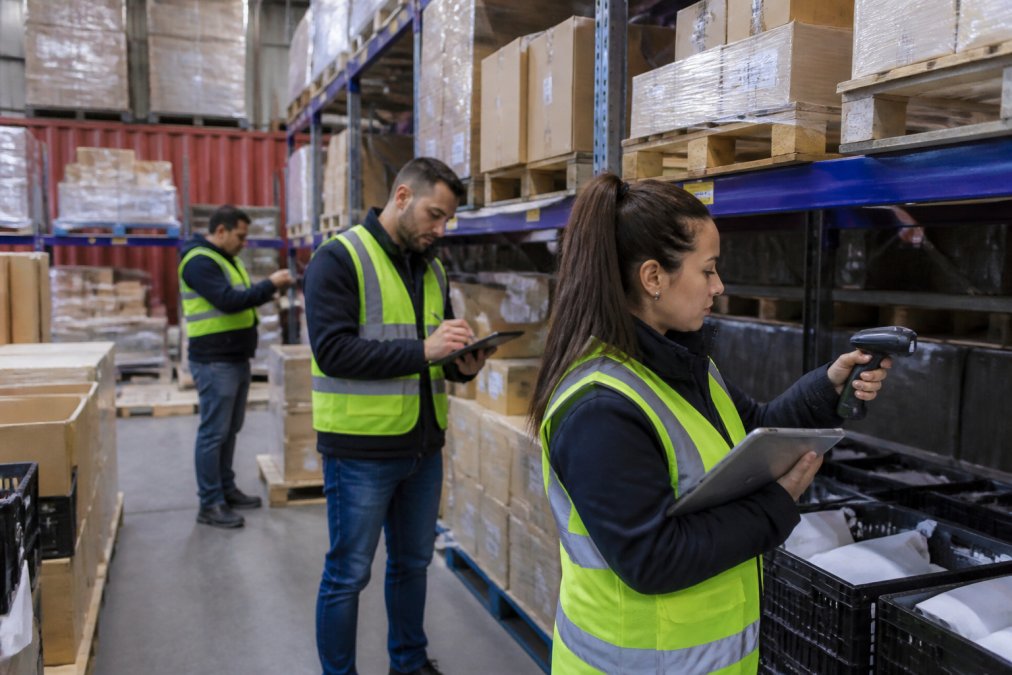
Essential records include:
- Entry documents: Customs entry forms, bills of lading, invoices, and packing lists for every shipment
- Warehouse records: Detailed logs of goods received, stored, manipulated, and released, with dates and quantities
- Inventory reconciliation: Monthly or quarterly counts verifying that physical inventory matches recorded inventory
- Movement logs: Documentation of every transfer of goods within the facility or to external locations
- Manipulation records: If goods are repackaged, blended, or processed, records must detail what was done and why
- Release documentation: Forms and authorizations for goods leaving the bonded warehouse
These records must be maintained for a minimum of six years and made available to the CBSA upon request. Many operators now use warehouse management systems (WMS) integrated with customs compliance software to automate record-keeping and reduce errors.
The CBSA conducts periodic audits of bonded warehouses, typically every 2-3 years for facilities with good compliance histories. Audits involve physical inventory counts, verification of records, and spot-checks of goods to ensure they match documentation. If discrepancies are found, missing goods, unauthorized releases, or record errors, the operator faces penalties and potential licence suspension.
For importers, this means choosing a warehouse operator with strong systems and a proven compliance record.
Common Compliance Pitfalls and How to Avoid Them
Many importers and warehouse operators encounter the same compliance issues repeatedly. Understanding these pitfalls can save you thousands in penalties and delays.
Bonded Warehouse Operations for E-Commerce and Import Businesses
For e-commerce brands and import-heavy businesses, bonded warehouses are a strategic tool for managing inventory costs and accelerating time-to-market.
Frequently Asked Questions
What are the core requirements for a bonded warehouse under CBSA regulations?
A bonded warehouse must be licensed by the Canada Border Services Agency (CBSA), maintain a security bond, comply with facility security standards, and keep detailed audit trails of all dutiable merchandise. The facility must have controlled access, surveillance systems, and proper storage conditions.
How does a warehousing bond function under the Customs Act?
A warehousing bond is a financial guarantee that protects CBSA against losses from unpaid duties, taxes, or non-compliance. The bond amount is determined based on the facility's expected inventory value and import volume. If duties remain unpaid or goods are mishandled, CBSA can claim against the bond. Bond requirements must be maintained throughout the facility's operational life, and operators must renew bonds periodically to ensure continuous compliance.
What is the difference between a sufferance warehouse and a bonded warehouse?
Bonded warehouses are licensed, fully regulated facilities with security bonds and strict operational controls. Sufferance warehouses offer less control and higher risk, while bonded warehouses provide duty deferral benefits, tax liability management, and regulatory certainty. Most importers prefer bonded facilities for long-term, high-volume operations.
Can importers defer duty and tax payments using a bonded warehouse?
Yes. Bonded warehouses enable duty deferral programs that allow importers to postpone duty and tax payments until goods are released from the facility or exported. This improves cash flow for importers managing large inventories. However, duties must be paid when goods are released for domestic consumption. If goods are re-exported, no duties apply, making bonded storage attractive for cross-border e-commerce and international distribution operations.
What activities and manipulations are allowed inside a CBSA-licensed bonded warehouse?
Permitted activities include storage, inventory consolidation, relabeling, repackaging, and sorting. All manipulations must be pre-approved by CBSA and fully documented with audit trails. Prohibited activities include manufacturing, substantial transformation, or any action that changes the dutiable status of goods without proper authorization. Operators must maintain traceable records of every manipulation.
How do I apply for a CBSA bonded warehouse license?
Submit a licensing application to CBSA detailing your facility location, security measures, proposed inventory volume, and operational procedures. You must demonstrate compliance with facility standards and provide a security bond. CBSA conducts a facility inspection and reviews your recordkeeping systems. Processing typically takes several weeks. Operators must renew licenses periodically and maintain ongoing compliance with regulatory oversight and periodic inspections.
What recordkeeping and inventory management systems are required?
Bonded warehouse operators must maintain detailed audit trails for all dutiable merchandise, including entry summaries, release of goods documentation, and manipulation records. Systems must track inventory reconciliation, goods movement, and customs tariff classifications. CBSA requires traceable records that can be audited at any time. Modern operators use customs management software integrated with inventory platforms to ensure real-time visibility and compliance. Records must be retained for the period specified by CBSA.


