


Quick Summary
Supply chain logistics is optimized by first mapping every handoff from supplier pickup to customer delivery, then measuring the flow with clear KPIs. Fix the handoffs that waste the most time and money first, since each improvement makes the next one easier.
- Map every handoff, noting its owner, duration, and where goods wait.
- Track on-time delivery rate, order cycle time, inventory turns, fill rate, and logistics cost per order.
- Use bonded warehousing to defer duties and taxes until goods leave the bond.
- Cross-dock only SKUs that have confirmed outbound orders and synchronized dock appointments.
- Run a checklist on every Amazon FBA shipment, since small labeling errors cause most rejections.
Table of Contents
- Map Your Current Supply Chain Flows and Pain Points
- Set Logistics KPIs With Clear Formulas and Targets
- Strengthen Inbound Freight and Container Destuffing Services
- Use CBSA Bonded Warehousing Benefits to Control Duties and Timing
- Apply Cross-Docking Logistics Strategies to Cut Dwell Time
- Prepare Inventory for Amazon FBA Without Costly Rejections
- Booking Your Logistics Review and Requesting a Rate Quote
- Frequently Asked Questions
How to Optimize Supply Chain Logistics in 7 Steps
Last Updated: November 10, 2026
Supply chain logistics breaks down in predictable places. Freight sits too long at the dock. Inventory counts drift from what the system shows. Duties get paid early because nobody planned the timing. The same gaps come up again and again for importers and e-commerce sellers. Below, we walk through seven steps you can use to tighten your flow, lower costs, and get products to market faster.
Map Your Current Supply Chain Flows and Pain Points
You cannot fix what you have not mapped. Start by drawing every step a product takes, from supplier pickup to customer delivery.
Write down each handoff. Note who owns it, how long it takes, and where things wait.
- Supplier to port or carrier
- Ocean or air transit
- Customs clearance and duty payment
- Receiving and put-away
- Storage, picking, and packing
- Final-mile or marketplace shipment
Then mark the pain points. Common ones include:
- Pallets that wait days for a dock door
- Stock that gets moved twice before it ships
- Inventory records that do not match the shelf
- Duties paid months before the goods sell
Watch out: Mapping only the warehouse misses the early delays. Most lost time happens before the container arrives.
Each handoff in the flow is a place where time and money can leak, so note the owner and the typical problem at each stage.
| Handoff | Where it stalls | Common pain point |
|---|---|---|
| Supplier to port or carrier | Early in the flow | Delays before the container arrives |
| Ocean or air transit | In transit | Stock moved twice before shipping |
| Customs clearance and duty payment | At the border | Duties paid months before sale |
| Receiving and put-away | At the dock | Pallets waiting days for a door |
| Storage, picking, and packing | In the warehouse | Inventory records not matching shelf |
| Final-mile or marketplace shipment | Last leg | Delays after goods leave storage |
Set Logistics KPIs With Clear Formulas and Targets
Once you know where the friction is, measure it. A KPI is only useful if everyone uses the same formula.
Track these five numbers at minimum:
- On-time delivery rate: Orders delivered on time divided by total orders, times 100.
- Order cycle time: Hours or days from order placed to order shipped.
- Inventory turns: Cost of goods sold divided by average inventory value.
- Fill rate: Units shipped complete divided by units ordered, times 100.
- Total logistics cost per order: All freight, storage, and handling costs divided by orders shipped.
Set a baseline first. Then pick a realistic target for the next quarter. Review the numbers every week until they stabilize.
Strengthen Inbound Freight and Container Destuffing Services
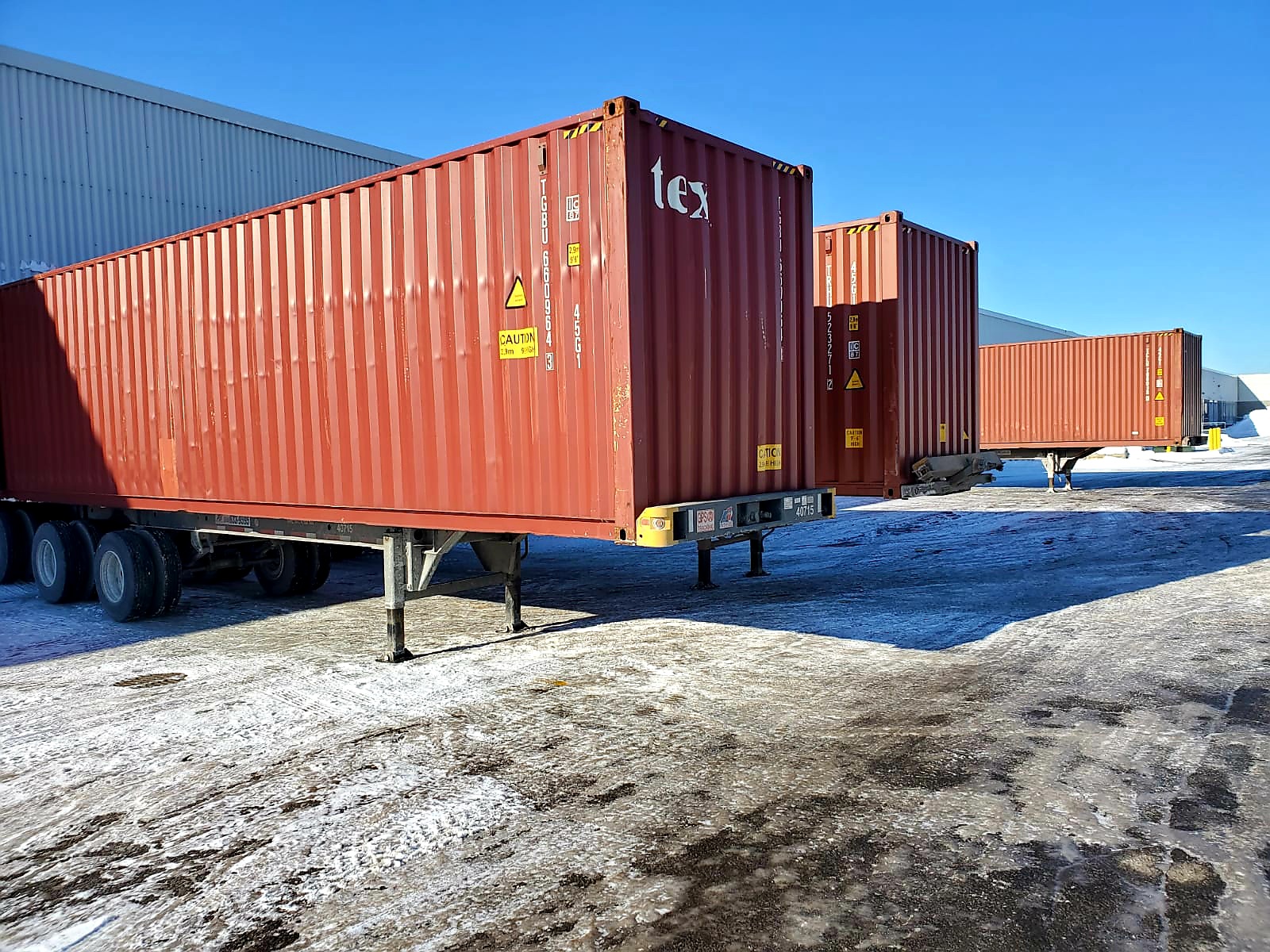
Inbound freight is where many supply chains lose the most time. A container that sits at the port or waits in a yard ties up capital and delays sales.
Good inbound planning means:
- Booking carrier slots before the vessel arrives
- Arranging drayage and appointment times in advance
- Destuffing containers quickly, so goods move to storage or dispatch the same day
- Recording carton counts and damage at receiving, not weeks later
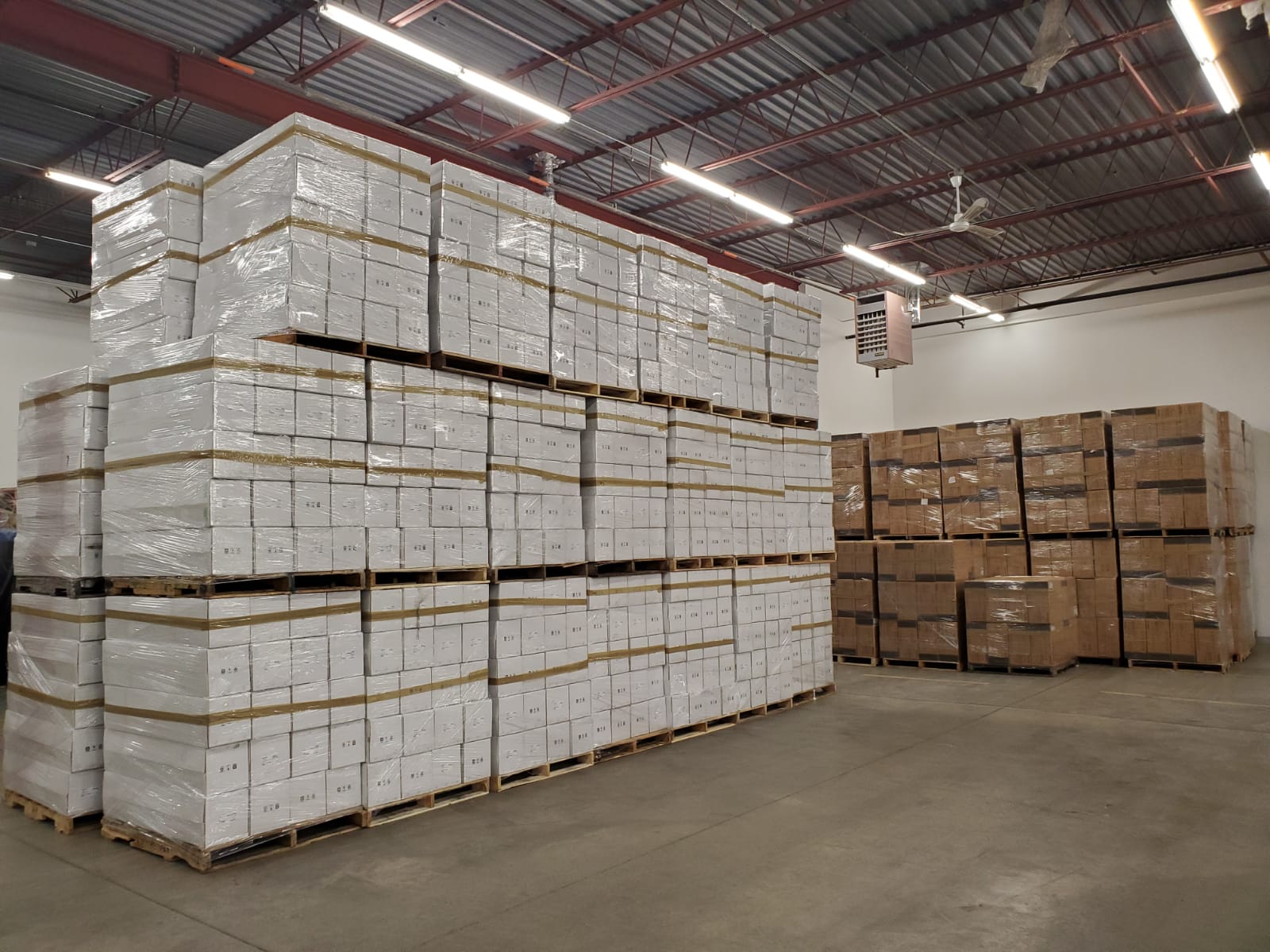
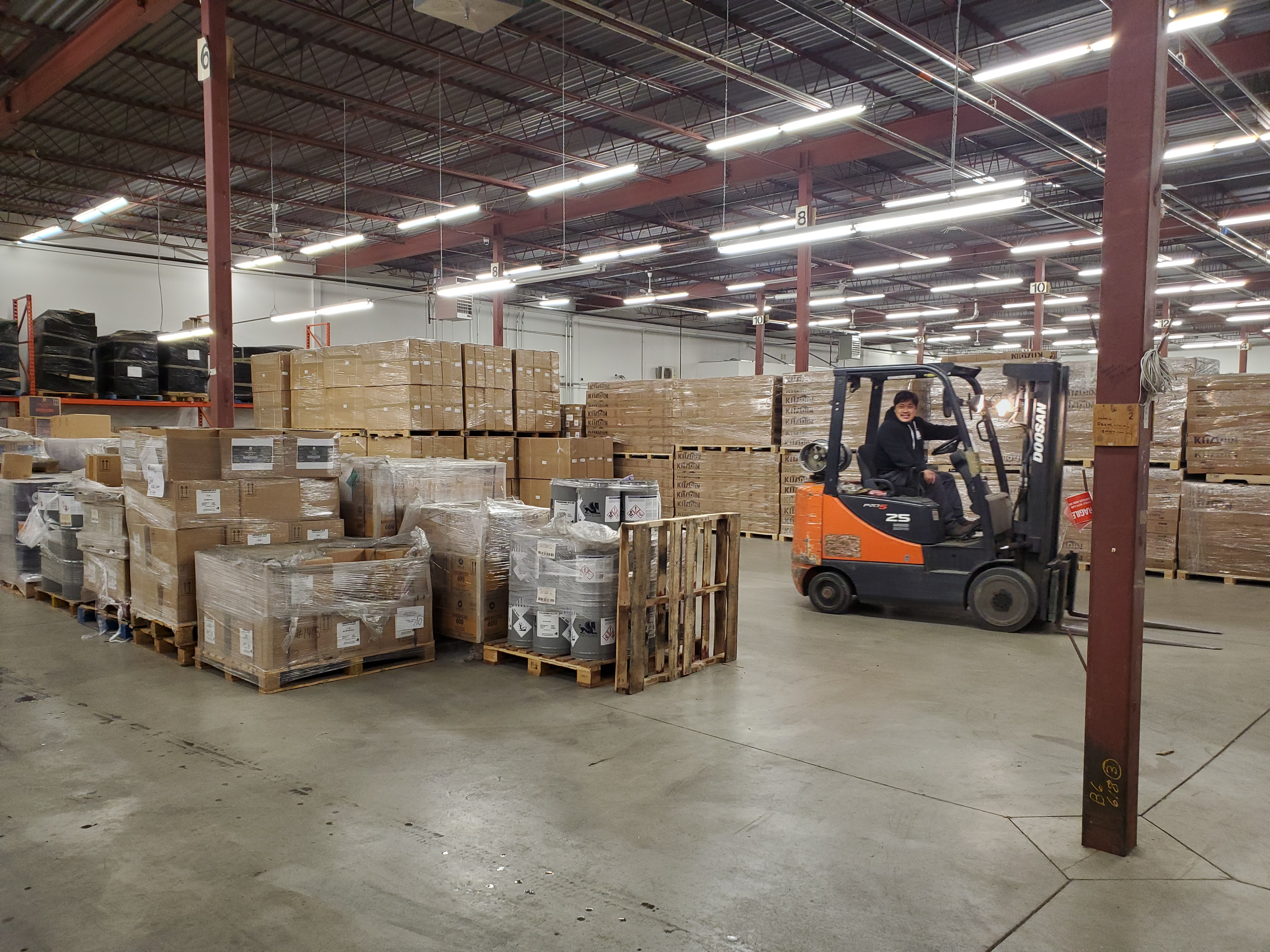
GTC Logistics offers container destuffing and ocean shipping coordination from a 30,000 square foot facility in Saint-Laurent, with cross-docking available until 9:00 PM.
Use CBSA Bonded Warehousing Benefits to Control Duties and Timing
Bonded warehousing lets importers store goods without paying duties and taxes right away. You pay when the goods leave the bond, not when they arrive. That gives you control over cash flow and timing.
Bonded storage helps most when:
- Your sales are seasonal, and stock sits for months
- You are testing a new market and do not know demand yet
- You re-export a share of your goods
Duty and tax amounts depend on your product classification and the rules in force at the time of release. Confirm current rates with the Canada Border Services Agency (CBSA) before you plan. Keep your import records clean, since accurate documentation is what keeps a bonded shipment moving.
GTC Logistics operates CBSA bonded warehouse services and assists with import numbers and record maintenance.
Apply Cross-Docking Logistics Strategies to Cut Dwell Time
Cross-docking moves goods from inbound trucks straight to outbound trucks, with little or no storage in between. The goal is to minimize dwell time, the hours a shipment spends inside the building, because every hour of handling adds cost and risk without adding value.

Cross-docking works best under specific conditions. Use it when:
- Products are already sorted and labeled for a known customer, store, or fulfillment center
- Demand is steady enough that outbound schedules can be locked before inbound arrival
- Shelf life, seasonality, or launch timing makes holding stock expensive
- Inbound and outbound carriers can commit to appointment windows
A practical way to decide whether a SKU fits is to score it against four criteria:
- Order commitment: Is the outbound order confirmed before the inbound container is destuffed?
- Handling window: Can the goods be received, scanned, sorted, and loaded within one shift?
- Dock synchronization: Are both inbound and outbound appointments booked before the freight arrives?
- Labeling accuracy: Are cartons and pallets already marked with the final destination and SKU?
If a SKU fails two or more criteria, cross-docking will likely create more problems than it solves. The trade-off is real: cross-docking reduces storage and handling costs but increases dependence on schedule reliability. A single late inbound truck can idle an outbound trailer and miss a delivery window.
To make cross-docking measurable, track dock-to-dock time (minutes from inbound unload to outbound load), appointment compliance rate (percentage of carriers arriving within their window), and cross-dock error rate (mis-sorted or mislabeled units per thousand handled). Set a baseline for each, then review weekly until the numbers stabilize.
Watch out: Cross-docking fails when inbound and outbound schedules are managed by different teams without a shared appointment system. Assign one owner for both directions before you commit.
GTC Logistics offers cross-docking services with five dock doors.
Prepare Inventory for Amazon FBA Without Costly Rejections
Amazon fulfillment center receiving has strict prep rules. Shipments that do not meet them can be rejected, relabeled, or delayed, and those fees add up fast. The unique angle here is treating FBA prep as a measurable logistics process, not a one-time checklist.
Common rejection triggers include:
- Missing or incorrect FNSKU labels on units
- Cartons that exceed size or weight limits, or that are not sealed to Amazon's specification
- Shipment plans that do not match the actual box count or contents
- Mixed SKUs in a single carton without proper separation and labeling
- Missing or inaccurate packing lists
Before you ship to Amazon:
- Label each unit with the correct FNSKU or the manufacturer barcode, as the shipment plan requires
- Check that cartons are sealed, sized, and marked as Amazon expects
- Confirm your shipment plan matches the box count and contents
- Keep a packing list for every carton
- Photograph each carton's label and contents before sealing, so you have evidence if a dispute arises
Small mistakes cause most FBA problems. A mislabeled box or a missing carton count can hold up an entire shipment. Build a short checklist and run it on every shipment, not just the first one.
To measure performance, track your FBA rejection rate (rejected units divided by total units shipped) and your prep error rate (cartons flagged at receiving divided by total cartons). Review both monthly. A common pattern is that errors cluster around new SKUs or seasonal volume spikes, so audit those shipments more closely.
Watch out: Amazon's prep requirements change periodically. Confirm current specifications in Seller Central before each shipment cycle, because a process that worked last quarter may not meet this quarter's rules.
GTC Logistics provides Amazon FBA preparation and ocean shipping coordination to Amazon fulfillment warehouses.
Booking Your Logistics Review and Requesting a Rate Quote
Optimizing supply chain logistics is a series of small, connected changes. Map the flow, measure it with clear KPIs, then fix the handoffs that cost you the most time and money. Each step makes the next one easier.
At GTC Logistics, we can review your current setup and discuss where bonded storage, cross-docking, or FBA preparation may fit. Pricing depends on volume, dates, and the services you need, so request a rate quote for current figures.
Frequently Asked Questions
What are the main stages of supply chain optimization?
Supply chain optimization generally moves through five stages: mapping current flows, measuring performance with defined KPIs, identifying bottlenecks such as slow customs clearance or excess handling, testing changes on one lane or product group, and then standardizing what works. Each stage feeds the next. Skipping measurement is the most common reason improvements fail to hold, because teams cannot tell whether a change actually reduced cost or lead time. Start with the stage where your data is weakest, since that limits every decision after it.
How can CBSA bonded warehousing improve logistics efficiency?
Bonded warehousing lets importers hold goods under Canada Border Services Agency control without paying duties and taxes until the goods are released into the domestic market. This gives businesses flexibility over when they pay duties, which helps cash flow, and it allows goods to be stored, consolidated, or repackaged before they are cleared. Compliance records must be accurate, so confirm how a provider handles documentation and import numbers before committing inventory to a bonded site.
What is the difference between cross-docking and traditional warehousing?
Traditional warehousing stores inventory for a period before it is picked and shipped. Cross-docking moves inbound goods directly from receiving to outbound transport with little or no storage in between. Cross-docking suits fast-moving goods with predictable destinations, while traditional storage suits slower or seasonal stock. Many operations use both, sending high-velocity items through cross-dock lanes and holding the rest in racking. Pricing for either model depends on volume, dates, and delivery requirements, so request a quote from GTC Logistics for current figures.
How do e-commerce businesses improve fulfillment speed?
Fulfillment speed improves when inventory sits closer to customers, when receiving and putaway are completed quickly after arrival, and when order data flows automatically into the warehouse system. Real-time inventory visibility reduces overselling and stockouts. Prepare products correctly for marketplace requirements, such as Amazon FBA labelling and carton standards, so inbound shipments are not delayed at the receiving dock. Track order cycle time and on-time delivery each month to see whether changes are working.


