

Last Updated: November 22, 2026
Quick Summary
Ocean freight shipping costs include the base carrier freight rate plus fuel surcharges, port charges, handling fees, seasonal premiums, customs duties, GST/HST, brokerage, and inland delivery. Duty, GST/HST, and clearance fees sit outside the carrier rate, meaning the freight rate represents only one component of your total landed cost.
- FCL shipping uses a flat rate per container, where the cost per cubic metre decreases as the container capacity is maximized.
- LCL shipping is priced per cubic metre or per tonne, whichever is greater, and incorporates additional handling and consolidation fees.
- Air freight serves high-value or time-sensitive goods, whereas ocean freight remains the standard for heavy, bulky cargo.
- Always verify rate validity dates and booking cutoffs, and clarify procedures for rolled cargo.
- CBSA bonded warehousing allows for the deferral of duties and taxes until goods are released from the warehouse.
Table of Contents
- Why Ocean Freight Costs Vary So Much
- FCL vs LCL Shipping Costs: Which Container Option Fits Your Cargo
- Ocean Freight vs Air Freight for Imports: When the Higher Rate Is Worth It
- What Drives Freight Rates: Route, Weight, and Surcharges
- Ocean Freight Transit Time and Sailing Schedules
- The Freight Shipping Quote Checklist for Comparing Rates
- Calculating Landed Cost: Duties, GST/HST, and Customs Clearance
- Request a Rate and Plan Your Next Shipment
- Frequently Asked Questions
Why Ocean Freight Costs Vary So Much
Two containers departing from the same port on the same vessel often incur different costs per cubic metre. This variance defines ocean freight shipping, where rates fluctuate based on carrier capacity, fuel indices, seasonal demand, and cargo stowage factors rather than a static price list.
A freight rate is the base charge an ocean carrier sets for moving cargo between ports. Additional costs, such as fuel surcharges, terminal handling, and customs brokerage, are applied separately. Importers often underestimate their total expenses by failing to account for these ancillary charges. According to industry data on global shipping volatility, freight rates are highly sensitive to geopolitical factors and port congestion, which frequently impact final landed costs.
FCL vs LCL Shipping Costs: Which Container Option Fits Your Cargo
FCL (Full Container Load) involves booking an entire container for a flat rate, while LCL (Less than Container Load) involves sharing container space, with costs calculated per cubic metre or per tonne (W/M), whichever is greater. The choice depends on your specific shipment volume.
| Option | Unit Priced | Best For | Main Trade-off |
|---|---|---|---|
| FCL Standard | Per container | Dense, heavy cargo | Paying for unused space |
| FCL High-Cube | Per container | Tall or high-volume goods | Higher base rate than standard |
| LCL | Per CBM or per tonne (W/M) | Small or irregular shipments | Consolidation fees and longer transit |
The LCL-to-FCL Break-Even Point
Determining the break-even point requires comparing the all-in LCL charge (including handling and documentation) against the all-in FCL charge. Because LCL is subject to minimum charges and destination handling fees, heavy or dense cargo may reach the FCL break-even point at a lower volume than lighter goods. Always compare these figures on a total landed cost basis to avoid understating the expenses associated with shared container space.
When a Standard or High-Cube Container Pays Off
Standard containers are ideal for dense cargo such as machinery. High-cube containers provide additional vertical clearance, which proves cost-effective for light but bulky goods. When shipment frequency is low and dimensions are irregular, LCL remains the most efficient option to avoid paying for empty space.
Ocean Freight vs Air Freight for Imports: When the Higher Rate Is Worth It
Air freight commands a higher rate per kilogram but provides significant advantages in speed and reliability. Businesses often use air freight for high-value items or to mitigate the risk of stockouts during critical retail periods. According to global logistics market reports, the decision to use air versus ocean should be based on the cost of capital tied up in inventory versus the premium paid for faster transit.
What Drives Freight Rates: Route, Weight, and Surcharges
Shipping routes between major hubs benefit from high carrier competition, which typically stabilizes container rates. Conversely, less-frequented lanes often carry higher premiums. Carriers calculate charges based on the greater of cargo weight or volume. Common surcharges include:
- Fuel surcharge (BAF): Adjusts based on global bunker fuel prices.
- Terminal Handling Charges (THC): Fees for loading and unloading at port facilities.
- Seasonal premiums: Costs associated with peak-season demand and limited capacity.
Spot rates provide a snapshot of current market conditions for a single booking, whereas contract rates offer fixed terms over a specific period. Both are subject to rate validity windows, after which quotes may be subject to adjustment.
Comparing Routes and Destinations on a Like-for-Like Basis
To accurately compare freight quotes, standardize your shipment assumptions—such as incoterms, container size, and cargo profile—across different routes. Comparing a port-to-port rate against a door-to-door rate will result in misleading data; ensure all quotes include identical service levels.
Rate Inclusions, Exclusions, and Validity
Every quote should be vetted against a standard checklist: origin pickup, port handling, ocean freight, documentation, customs clearance, and inland delivery. A quote lacking a specific validity date should be treated with caution, as it leaves the importer vulnerable to sudden price hikes before the booking is confirmed.
Ocean Freight Transit Time and Sailing Schedules
Transit time refers to the port-to-port duration and excludes inland transport or customs processing. Importers should build a buffer into their supply chain schedules to account for potential delays in destuffing or port congestion. According to Canadian supply chain performance benchmarks, administrative delays at the border are a leading cause of extended lead times.
The Freight Shipping Quote Checklist for Comparing Rates
A freight quote is only useful if it is transparent. Use this checklist to evaluate your options:

- Confirm FCL or LCL status and container specifications.
- Identify which port charges and handling fees are included.
- Determine if the fuel surcharge is fixed or floating.
- Verify the rate validity period and booking cutoff.
- Confirm if customs clearance and brokerage are included in the scope.
- Ensure transit time estimates are port-to-port.
- Validate whether inland delivery to the final destination is covered.
Calculating Landed Cost: Duties, GST/HST, and Customs Clearance
Landed cost includes the total expense of moving goods from the supplier to your facility, including customs duties, GST/HST, and brokerage fees. These costs are not part of the carrier's freight rate. Customs duties are determined by the classification of goods under the Harmonized System; importers should consult the Canada Border Services Agency (CBSA) for accurate tariff information. If cash flow is a concern, using CBSA bonded warehousing allows for the deferral of duties and taxes until the goods are removed from the facility.
Request a Rate and Plan Your Next Shipment
The freight rate is merely the starting point of your logistics budget. Success lies in managing the details of the entire landed cost chain.
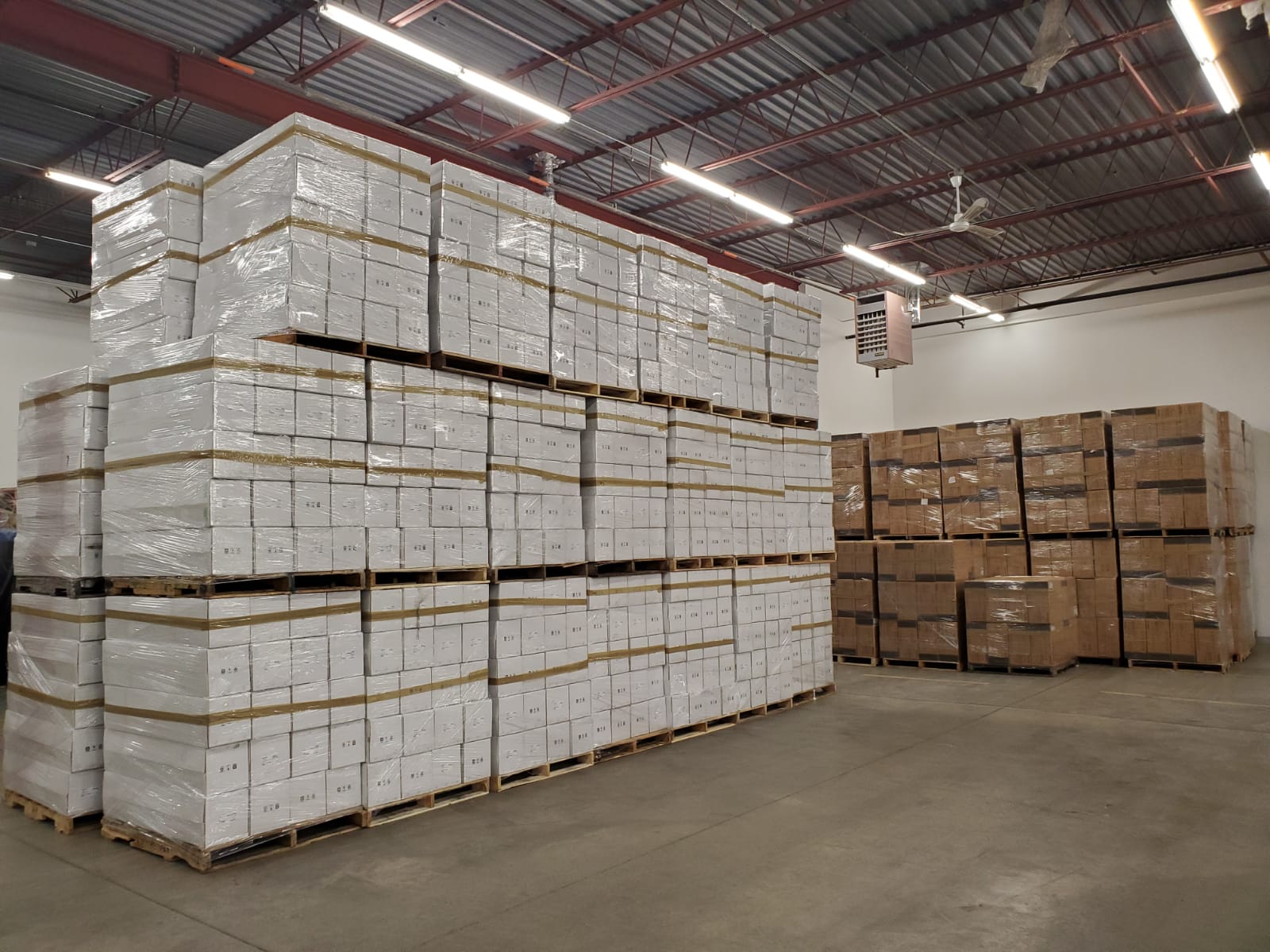
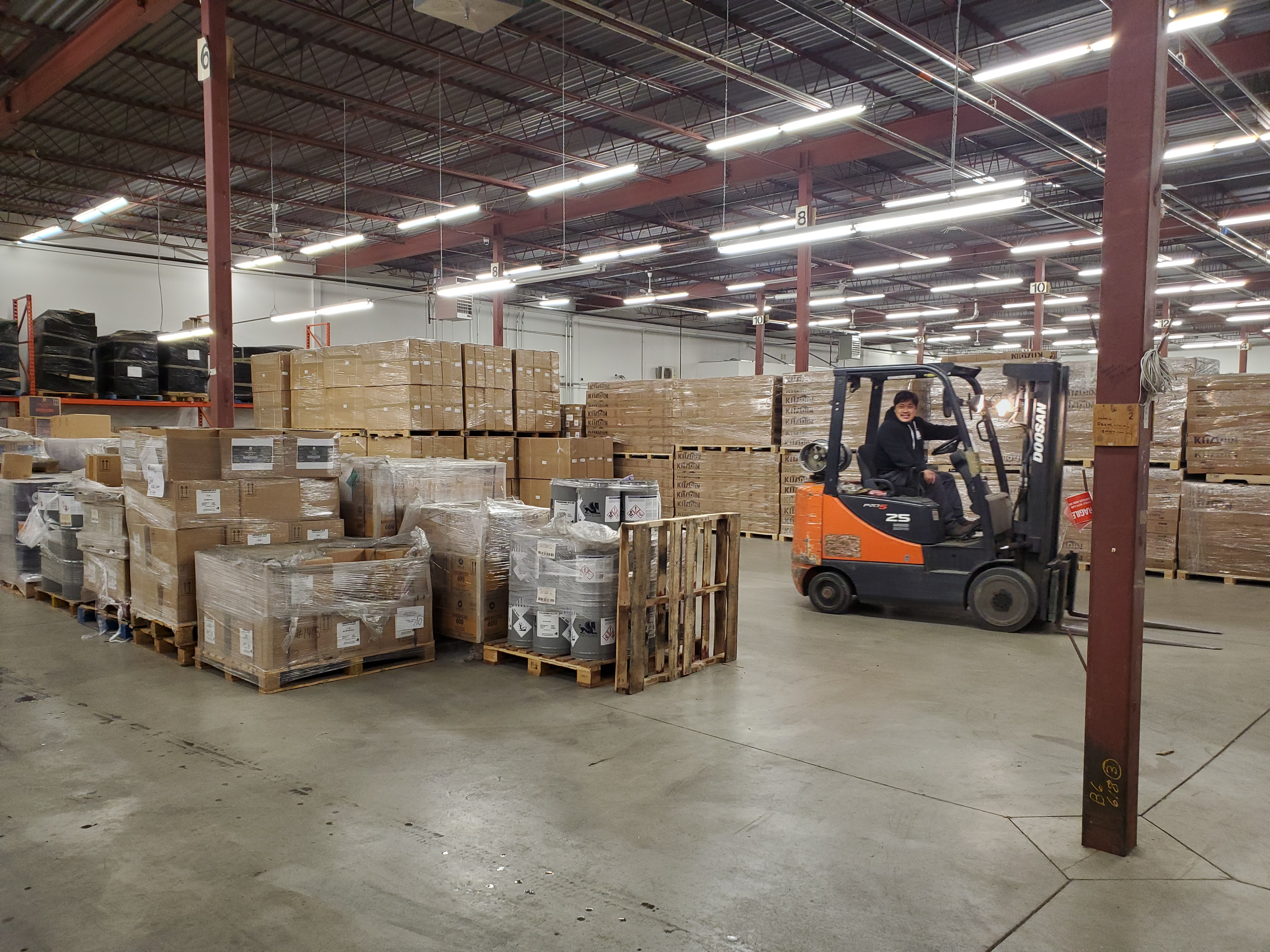
GTC Logistics operates a 30,000 square foot facility equipped with CBSA bonded warehousing and five dock doors to support your supply chain requirements.
Get started with GTC Logistics at https://www.gtclogistics.ca to transform your freight quotes into a reliable shipment plan. For ongoing trade updates and supply chain strategy, read our logistics and supply chain insights.
Frequently Asked Questions
How much does ocean freight shipping cost?
There is no single rate because costs depend on container type, route, cargo volume, and surcharges. Always request a shipment-specific quote that lists ocean freight, fuel surcharges, port charges, and customs clearance separately.
Is FCL or LCL cheaper for shipping?
FCL usually provides better value per cubic metre once your cargo fills roughly half a container. LCL suits smaller shipments where paying per CBM keeps the upfront cost lower. Always compare FCL vs LCL shipping costs using your actual volume and weight, factoring in handling fees and consolidation delays.
What charges are included in an ocean freight quote?
A complete quote should separate ocean freight from origin charges, destination port charges, fuel surcharges, and customs clearance. Ask whether inland delivery, container destuffing, and bonded storage are included or billed separately.
How long does ocean freight transit time take?
Transit times are typically quoted as port-to-port sailing durations. These do not include customs clearance, inland transport, or potential port congestion. Add buffer time for documentation review and CBSA clearance before your cargo reaches its final destination.
When is air freight worth the extra cost compared with ocean freight?
Air freight is optimal for high-value, low-weight goods or urgent replenishment where stockouts would exceed the cost of the freight premium. For bulky or heavy cargo, ocean freight remains the most cost-effective method for protecting your margins.