


Last Updated: November 7, 2026
Quick Summary
Third-party logistics pricing models are the billing structures 3PLs use to charge for receiving, storing, and fulfilling your orders. The main types are per-order, per-item, pallet-based, and subscription pricing, and each one spreads cost and risk differently. The best fit depends on your order volume and product profile.
- Per-order pricing suits stores with simple, low-unit orders.
- Per-item pricing can become expensive as order sizes grow.
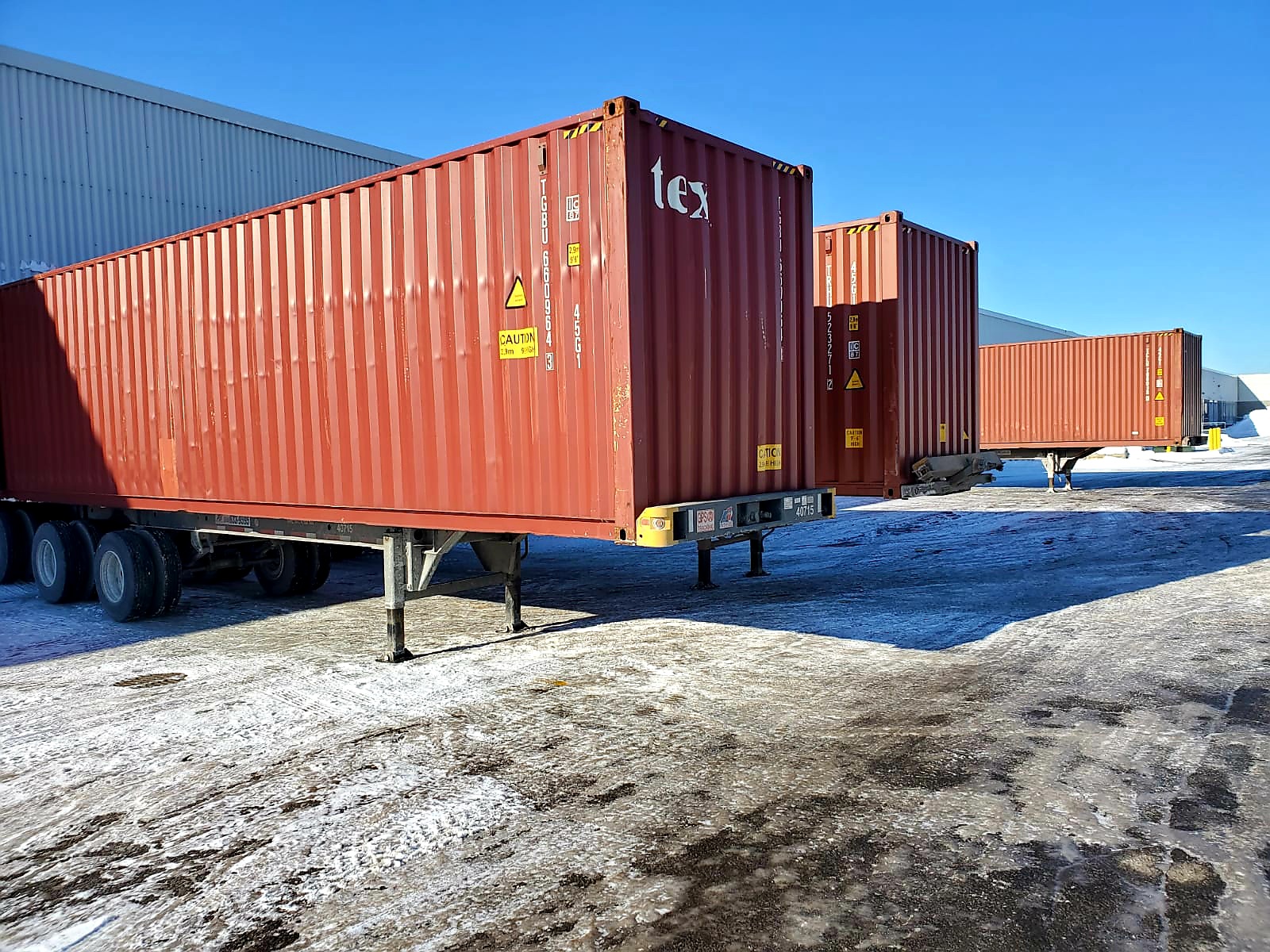
- Pallet-based pricing aligns well with bulk, container-based imports.
- Subscriptions make budgeting easier but can leave you paying for unused capacity.
- Normalize every quote to one monthly figure and one unit before comparing.
Table of Contents
- How Third-Party Logistics Pricing Models Work
- The Main Third-Party Logistics Pricing Models Explained
- Understanding Your 3PL Fee Structure
- Pick and Pack Pricing: What Drives the Per-Order Cost
- Warehouse Storage Fees and How Space Is Billed
- Building a Worked Cost Example for Your Order Profile
- How to Run a 3PL Pricing Comparison Before You Sign
- Frequently Asked Questions
Choosing a third-party logistics (3PL) provider usually comes down to one question: how will they bill you? Understanding the common billing structures before you request quotes lets you compare providers on equal terms. Understanding those models before you request quotes lets you compare providers on equal terms and spot the charges that quietly inflate your monthly invoice. Under Canada Revenue Agency guidance on business expenses and cost tracking you should also keep clean records of every fulfillment charge, which makes a side-by-side model comparison far easier to build.
How Third-Party Logistics Pricing Models Work
A third-party logistics pricing model is the formula a 3PL uses to charge for receiving, storing, and shipping your inventory. Most providers combine a few building blocks: a per-unit or per-order fee, a storage charge, and one or more service surcharges. Pricing depends on order volume, order complexity, and how much labour and space your products require.
The key point is that two quotes with the same headline rate can produce very different invoices. One provider may bill per order and include packing materials, while another bills per item and passes packaging through as a separate line.
The Main Third-Party Logistics Pricing Models Explained
Most 3PL quotes fall into a handful of structures. Each one shifts risk between you and the provider in a different way.
Per-Order and Per-Item Pricing
Per-order pricing charges a flat fee for each customer order shipped, regardless of how many units it contains. Per-item pricing charges for each unit picked and packed, so a 10-unit order costs far more than a single-unit order.
- Pros: Predictable for stores with uniform, low-unit orders; easy to forecast cost per order.
- Cons: Multi-unit orders can become expensive under per-item rates; a sudden shift toward larger baskets raises costs quickly.
Pallet-Based and Subscription Pricing
Pallet-based pricing bills for inbound receiving and outbound handling per pallet, which suits importers moving freight in bulk. Subscription pricing charges a fixed monthly fee for a set volume or service tier, with overage rates beyond that threshold.
- Pros: Pallet pricing aligns well with container-based imports; subscriptions make monthly budgeting straightforward.
- Cons: Pallet models penalize partial loads; subscriptions can leave you paying for unused capacity in slow months.
Understanding Your 3PL Fee Structure
A 3PL fee structure is the full list of charges on your agreement, not just the headline rate. Ask for a complete rate card that separates core fulfillment fees from storage, receiving, and value-added services. The strongest rate cards organize charges into the same categories, which makes side-by-side comparison possible.
Most fee structures break down into these categories:
- Receiving and inbound handling: Charged per pallet, per carton, or per unit as inventory arrives. Ask whether the fee covers unloading, counting, and put-away, or whether each step is billed separately.
- Storage: Billed per pallet position, per cubic metre, or per square foot over a defined period. Confirm the billing cycle (weekly or monthly) and whether long-term storage surcharges apply after a set number of days.
- Pick and pack: The labour of locating, packing, and preparing each order. Usually billed per order plus a per-item increment, with additional charges for special packaging or inserts.
- Shipping and transportation: Either passed through at cost plus a handling fee or billed at a negotiated rate. Ask whether the provider applies a fuel surcharge and how it is calculated.
- Accessorial and value-added services: Kitting, labeling, returns processing, quality checks, and custom projects. These are typically quoted per unit or per hour and are the most common source of invoice surprises.
- Technology and account management: Onboarding, software access, integrations, reporting, and dedicated account support. Clarify whether these are included in the base rate or billed as separate monthly fees.
Watch out: a rate card that quotes only pick-and-pack and storage while leaving receiving, shipping, and technology charges undefined is not a complete quote. Request every category in writing and map each line item to a volume scenario you actually expect. A common pattern is for providers to quote an attractive per-order rate while recovering margin through receiving and accessorial charges.
The main charge categories on a 3PL rate card, and what each one covers, are summarised below.
| Fee category | How it is billed | What to confirm |
|---|---|---|
| Receiving and inbound handling | Per pallet, per carton, or per unit | Whether unloading, counting, and put-away are included |
| Storage | Per pallet position, per cubic metre, or per square foot | Billing cycle and long-term storage surcharges |
| Pick and pack | Per order plus per-item increment | Special packaging or insert charges |
| Shipping and transportation | Cost plus handling fee, or negotiated rate | Fuel surcharge calculation |
| Accessorial and value-added services | Per unit or per hour | Kitting, labeling, returns, and quality checks |
| Technology and account management | Included in base rate or separate monthly fee | Onboarding, software access, and reporting costs |
Pick and Pack Pricing: What Drives the Per-Order Cost
Pick-and-pack pricing covers the labour of locating each item, placing it into a box, and preparing the shipment. Its cost is driven mainly by order complexity: the number of SKUs per order, the number of units, and any custom packaging or inserts.
A practical tip: track how many SKUs appear in a typical order. An order with three SKUs often requires three separate pick locations, which raises labour time and cost. Consolidating your SKU range where possible can lower the per-order figure without changing your product line.
Warehouse Storage Fees and How Space Is Billed
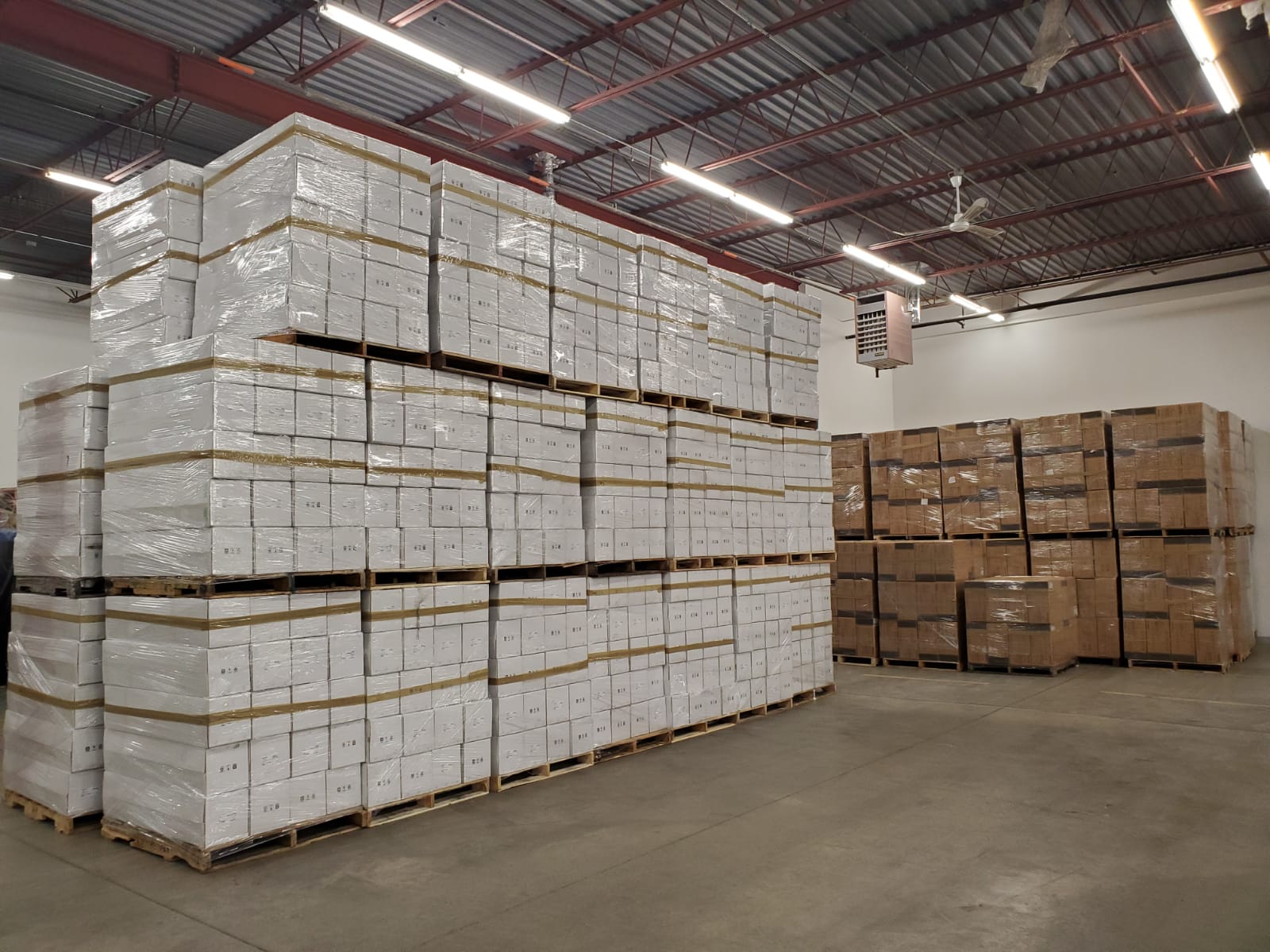
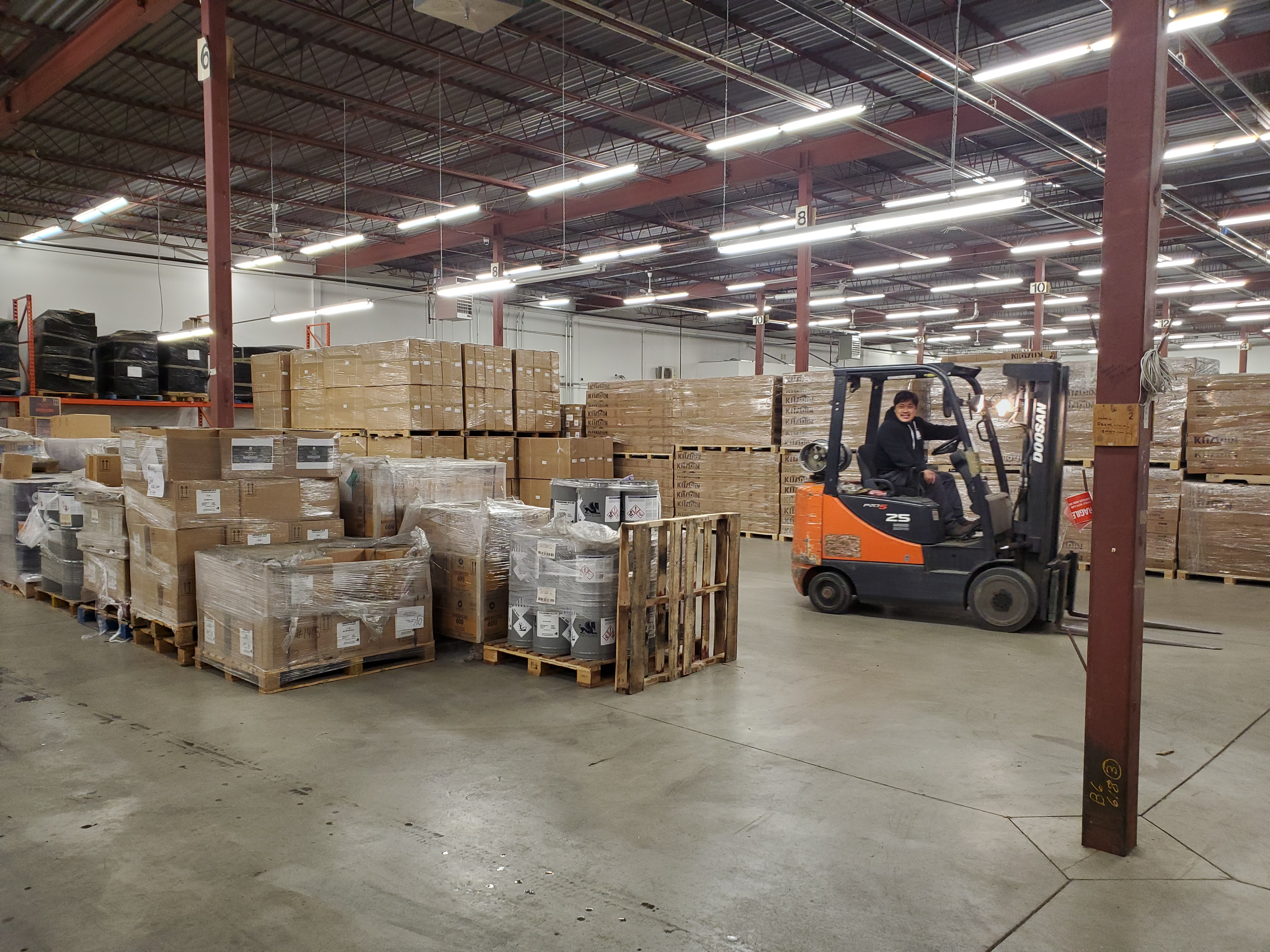
Storage is usually billed by pallet position, by cubic metre, or by square footage over a set period. You can compare short-term and long-term pallet storage rates and see how the IN/OUT fee works. Some providers charge a monthly rate per pallet, while others bill for the actual space used, which can fluctuate with inventory levels.
Storage fees matter most for slow-moving inventory. A product that sits for three months accumulates far more storage cost than one that turns over monthly. Check whether the provider applies long-term storage surcharges after a defined period, as these can significantly change the economics of seasonal stock.
Building a Worked Cost Example for Your Order Profile
A worked example turns a rate card into a number you can compare. Start with your average order profile: orders per month, average units per order, average SKUs per order, and average pallets stored. Then apply each provider's rates to identical assumptions.

Here is how the calculation works for a store shipping 200 orders a month with an average of two units per order and four pallets in storage. The monthly total builds up from these components:
- Receiving: one inbound pallet per month at a per-pallet rate.
- Storage: four pallet positions at a monthly per-pallet rate.
- Pick and pack: 200 orders at a per-order base fee, plus 400 units at a per-item increment.
- Packaging: 200 orders at a per-order materials charge, if materials are not included.
- Shipping: 200 shipments at a negotiated carrier rate plus any handling fee.
- Minimums and technology: compare the calculated total against any monthly minimum and add separate software or account-management fees.
Run the same calculation for each provider's quote using identical assumptions. Differences in the totals will usually point to one or two line items that deserve closer negotiation. A provider with a lower per-order rate but a higher receiving fee may cost more overall once inbound volume is included.
Watch out: comparing quotes that use different billing periods (weekly versus monthly storage) or different unit definitions (per order versus per item) produces misleading totals. Normalize every charge to a monthly figure and the same unit before comparing. The quote with the lowest headline rate is often not the lowest total cost once minimums, receiving, and accessorials are included.
How to Run a 3PL Pricing Comparison Before You Sign
Start by requesting quotes using the same order profile, so each provider prices the same work. Before you request quotes, you can review what a fulfillment service includes. Ask every provider to state their assumptions about order size, SKU count, and storage volume in writing.
Then build a normalized comparison: place each provider's charges into the same categories (receiving, storage, pick and pack, shipping, and value-added services), and calculate a total cost per order. Include setup fees and minimums spread over your expected contract term. When evaluating providers, compare service quality and integration support alongside price. Our guide to choosing a third party logistics provider covers the criteria that matter beyond cost. Our Canadian guide to choosing a third-party logistics provider approach is to weigh cost against reliability, not treat the lowest rate as the best deal.
Before signing, review the termination terms, rate-increase clauses, and how exceptions such as damaged goods or returns are billed. These contract details often cost more than a small difference in the headline rate.
Frequently Asked Questions
What are the common third-party logistics pricing models?
The most common models are per-order, per-item, pallet-based, hourly labour, and subscription or monthly minimum pricing. Many providers combine two or more, for example a per-order fulfillment fee plus a monthly storage charge. Per-order pricing suits businesses with many small orders, while pallet-based pricing usually fits bulk inbound and wholesale volume. Ask each provider to show how its model applies to your actual order profile, and request a sample invoice before you commit.
How do 3PL companies charge for fulfillment?
Most 3PLs charge a base fee per order, with additional charges per item picked beyond the first, packaging materials, and special handling. Pick and pack pricing often varies with order complexity, such as multi-line orders or custom inserts. Receiving and inbound handling are usually billed separately. Quotes that look low often leave these line items out, so compare every category, not just the headline per-order rate.
How can I compare quotes from different 3PL providers?
Normalize the quotes first. Put each provider's rates into the same categories: receiving, storage, pick and pack, packaging, shipping pass-through, and accessorial fees. Then price three or four realistic order profiles, such as a typical day, a peak week, and a high-SKU order. Compare total monthly cost per order rather than individual rates, and confirm minimums, setup fees, and contract length.


